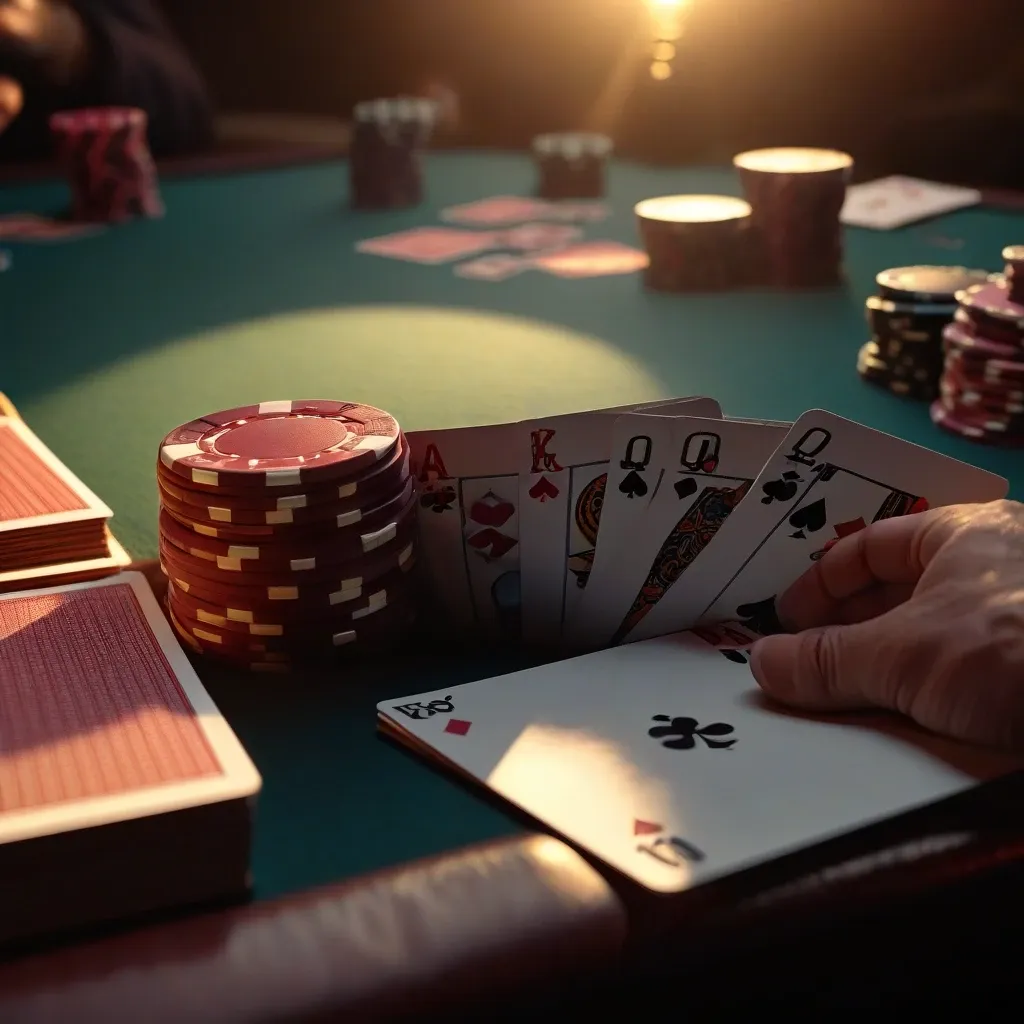
You walk into a casino or fire up a poker app, and suddenly it’s a chaos of terms, chip stacks, and rules that sound like a foreign language. Texas Hold’em, Omaha, Seven-Card Stud, Razz, and a dozen more variants all screaming for your attention. Overwhelming? Absolutely. I have taught hundreds of beginners over the past decade, and the biggest mistake is trying to learn everything at once. This guide cuts through the noise. These five games are the proven fastest path to competence—not the flashiest, but the ones that build real foundational skills. By the end of this piece, you will know exactly which game to play first and how to get started tonight. No fluff, just a clear starting point for your poker journey.
Why Game Choice Matters More Than You Think (And Why Texas Hold’em Isn’t Your Best First Game)
Most people tell beginners to start with Texas Hold’em. That advice is a mistake. Choosing the right poker variation isn’t just a preference — it’s the single most important decision a new player can make. Texas Hold’em, for all its popularity, is actually a terrible game for raw beginners. Here’s why:
- Too many decisions per hand. Every street — preflop, flop, turn, river — forces you to weigh position, ranges, bet sizing, and board texture. That’s four rounds of judgment when you haven’t built any judgment yet.
- High variance destroys confidence. In Hold’em, luck swings hard. New players don’t need coin-flip beats or cold decks — they need predictable outcomes that reward solid play, not punish it.
- The worst players have the best luck short-term. Someone who doesn’t know the game can suck out and win a big pot, making you think strategy is pointless. That psychological hit kills discipline fast.
Instead of jumping into this variance-heavy mess, look for skill-building games — variants where position matters less and decisions are simpler. One student of mine tried Hold’em first, lost confidence after three sessions, switched to a limit draw game, and actually started winning. Patterns, not complexity, build a poker brain.
The Fundamental Trap: Thinking ‘Easy to Learn’ Means ‘Easy to Master’
It takes five minutes to explain Texas Hold’em rules. It takes years to understand position, range, and equity. You don’t need that mental load right now. You need patterns that reward discipline — games where a simple decision tree lets you focus on reading opponents and managing your stack. Save the deep strategy for later.
Variation #1: Five-Card Draw – The Purest Form of the Game
Forget the flashing lights, the multiway pots, and the endless flop, turn, river nonsense. If you want to actually learn poker—not just click buttons—you start with Five-Card Draw. It’s the prehistoric, no‑frills version where every hand is a pure logic puzzle. One decision per round. One draw. That’s it. No post‑flop complexity to hide behind. You either know your odds or you don’t. You either bluff with conviction or you get called out. It’s the raw skeleton of the game, and that’s exactly why it’s the perfect teacher.
Let’s walk through a real hand. You get dealt four hearts plus a lonely king of spades. You look at that king. It’s pretty. But the five card draw rules are screaming at you: do you keep the king and draw one to try for a flush, or do you ditch the king and go all‑in on the flush draw? This single decision—right here—teaches you pot odds, implied odds, and discipline in one shot. Most beginners keep the king because it looks “strong.” Bad move. The king is a trap. Drawing one card to a flush gives you a 19.57% chance of hitting. That’s not great. Add in the chance your opponent already has a flush? You’re burning money.
Here’s the actionable tip you need to tattoo on your brain: Always keep a pair. Never chase a straight or flush draw if you already have a made hand. Yes, even if it’s a tiny pair of twos. Pairs already win a surprising number of showdowns at low stakes. Beginners who ditch a pair to chase a flush are the ones who bankroll the sharks.
Check the odds on common draws. It’s ugly but honest.
| Starting Hand |
Cards to Draw |
Odds of Making Hand |
| Four cards to a flush |
1 |
19.57% |
| Four cards to an open‑ended straight |
1 |
17.39% |
| Three cards to a flush |
2 |
4.16% |
Here’s the challenge: Play 50 hands of Five‑Card Draw online before even looking at another game. I don’t care if you lose every single one. Fifty hands. Track every decision. Note why you kept or folded. You’ll come out the other side understanding poker hand values, drawing odds, and beginner bluff fundamentals like you’ve been playing for years. This is the detox. No distractions. Just you, the cards, and the math.
The Only Three Rules You Need to Win at Draw
Call it The ABC System. It’s brutally simple and it works at low‑stakes tables where your opponents overplay weak hands. Here’s the list:
- Only play hands with a pair of Jacks or better, or four cards to a straight or flush. Everything else is a fold. Period. No exceptions for “feeling lucky.”
- Always bet when you open the pot. If you’re the first one in, raise. Don’t limp. Force the others to pay to see your draw.
- Fold if you miss your draw. You missed? You fold. No hero calls. No “maybe he’s bluffing.” The ABC System is a robot. Stick to it.
That’s it. Three rules. They’re boring. They’re mechanical. But they will grind you profit until you learn to read opponents and adjust. This is winning poker strategy for beginners who want to stop being the fish.

Seven-Card Stud – Mastering Position and Observation
Seven-Card Stud isn’t just another poker variant; it is a brutal, beautiful teacher of the fundamentals that most players skip. Hold’em hands you community cards like a cheat sheet. Stud strips that away and forces you to play detective. The core rule is simple: The cards you can see are more important than the cards you can’t. This flips the script on traditional poker thinking. You aren’t playing your hand in a vacuum; you are playing against visible information.
Consider this: An opponent has three diamonds showing on fourth street. You are sitting pretty with two pair, feeling confident. Most beginners get married to their hand here and lose a stack. The correct move? Assume they are drawing to a flush and fold. It is an easy fold most beginners miss because they ignore the visual story unfolding in front of them. Stud doesn’t reward stubbornness; it rewards observation. This game trains the observation muscle that is essential for all other poker games. You learn to see the board first, and your hole cards second.
Here are three specific tells to look for based on upcards:
- The Paired Door Card: If an opponent starts with a pair showing (like two Kings), they are likely strong. But if they check on a later street, they might have a second pair or be scared of your board.
- The Suited Apparition: Three of the same suit on the board (like three hearts) means a flush draw is imminent. If they bet into it, they are likely semi-bluffing or already have the flush.
- The Low Card Mirage: A player who starts with a low card and calls a raise often has a wired pair (a hidden pair in the hole). Watch how they react when a high card falls; they might be waiting to trap.
The best way to sharpen these skills? Jump into free play money games. Don’t worry about winning fake chips. Focus entirely on the upcards. Try to guess what your opponent holds before the hand ends. You’ll be shocked how quickly your accuracy improves when you stop looking at your own cards obsessively and start paying attention to the story on the felt.
Why ‘Dead Cards’ Are Your Secret Weapon
In Hold’em, you rarely think about what cards have been folded. In Seven-Card Stud, this is your biggest blind spot. The concept of dead cards—cards that are already out of play—is a game-changer. For example: You see three spades folded by other players. You have four spades in your hand. Your flush draw is much weaker than the odds table says. The deck no longer holds the cards you need. This is a concept Hold’em players often ignore but Stud forces you to use it every hand. Here is your mental shortcut: If you see three of a suit folded, don’t chase a flush. The risk of bricking is too high. The cards you cannot see are irrelevant; the cards you can see are the only truth.
Variation #3: Pot-Limit Omaha (Hi-Lo) – Forcing Discipline and Hand Selection
Everyone says Omaha is for action junkies. Big pots, big draws, big swings. But pot‑limit Omaha hi-lo? That’s the quiet corner of the casino where the math nerds win. The split‑pot mechanic changes everything. You rarely lose a full pot because half of it belongs to the low hand. The result: variance drops hard. Tight players who fold most hands walk away with steady gains while the table chases every rainbow flop.
The first rule of PLO8 is the A2 rule. If your hand does not contain an Ace with a 2 or a 3, the low half is already dead for you. Yes, there are exceptions—A‑4, A‑5 if the board runs perfectly—but they are traps for beginners. Stick to the hard‑and‑fast gate: only play hands that include A‑2‑3, A‑2‑4, or A‑2‑5, and make sure your Ace is suited. That suited Ace gives you a shot at the high when the low doesn’t come. Without it, you are playing half a hand against opponents who hold three quarters of the deck.
One observer watched analytical players—people who had never touched poker before—crush micro‑stakes PLO8. They folded 80% of their hands. Preflop they waited for that A‑2‑x‑x structure. Postflop they either bet when they held the nuts for one half or got out. No hero calls, no speculative draws. The game almost plays itself if you respect the split.
Because the pot gets divided, reckless players bleed chips slowly. You rarely get punished by a single bad beat that empties your stack. Instead, you grind small edges. That low variance suits the beginner who wants to learn hand valuation without the emotional roller coaster of no‑limit hold’em. PLO8 forces discipline: if you chase half a pot without the lock, you lose. If you only enter with premium low‑high combos, you print money.
The ‘Quartering’ Trap
Imagine this: you hold A‑2‑7‑K. Another player holds A‑2‑3‑Q. The board runs out 4‑5‑6. The low is there. You both split that half—you each get 25% of the whole pot. But the other guy also has a straight for the high. You just got quartered. Your “winning” hand lost money. The fix: always carry a backup plan for the high half. A suited Ace, a pair, a straight draw—whatever keeps you from being a pure low hunter. If your hand can only scoop one direction, fold.

Why the ‘Flush Over Full House’ Rule Makes You a Better Player
Here’s the simple rule you need: In Short-Deck, playing any two suited cards from late position is almost always correct. Why? Because the reduced deck makes flushes harder to complete—but when you do chase, the payoff is massive. Suited connectors like 9-8 of hearts or 10-7 of diamonds become premium drawing hands. This aggressive draw-chasing mentality is exactly what you need to transition to advanced Hold’em play. It teaches you to calculate equity on the fly, to bet for value when draws are live, and to trust your gut when the board pairs. After drilling this in short-deck, standard Hold’em decisions feel slower—and that’s when your poker intuition truly takes over.
Putting It All Together: Your Personal 30-Day Poker Roadmap
Most people jump into Texas Hold’em and get absolutely wrecked. You won’t. This one-month plan sequences games to build a real foundation, brick by brick. You are not just learning rules; you are learning how to think around a poker table.
Week 1: Five-Card Draw (15 minutes/day). Forget the movie versions. Play the “ABC System”—only bet on a pair of Jacks or better. Fold weak hands instantly. This forces discipline, the hardest skill to learn. Week 2: Seven-Card Stud. This is where your brain starts working. You focus exclusively on reading your opponent’s upcards. Can see three of the same suit? Run. It trains you to see patterns in plain sight, not just your own hole cards. Week 3: Pot-Limit Omaha 8 (PLO8). Only play hands containing an Ace and a 2 (the A2 hand for the low). It is brutal. It is repetitive. It teaches you the iron rule of starting hand selection. Week 4: Short-Deck Hold’em. This crazy game moves fast. It is the perfect transition to community cards because you already know how the flop works, but the ranking changes force you to re-learn aggression. You are ready for Texas Hold’em when you can walk away from a play money table as a winner in three of these five games (including the original Draw). After 30 days, you will have the mental framework and discipline to tackle Texas Hold’em without the crushing frustration that stops most beginners.
The One Resource You Absolutely Need (And It’s Free)
Do not buy a course. Download the “Poker Odds” app by Simple Poker for quick pot odds while you practice. Print off the “Draw Odds” chart from The Poker Bank—it shows you exactly how often your hand improves. That is it. Stop watching YouTube highlights. Stop reading gossip. Start playing these five games. Your future tablemates will never know you started with Draw poker and a simple system.